Contextual Spiritual Profile of Merrylands
Summary
Merrylands, NSW 2160, is a vibrant, multicultural community marked by diversity, strong family values, and resilience. The suburb’s average resident is a young, multicultural family-oriented individual, sharing a home in a socially and economically varied environment.
Community priorities include safe neighbourhoods, affordable housing, quality education, and support for families and new migrants. Beneath the surface, residents express deep needs for belonging, security, and a sense of hope—often grappling with fears of social exclusion, financial instability, and loss of cultural or family identity.
Common challenges include materialism, family breakdown, loneliness, and addiction, reflecting pressures of urban life. Despite these difficulties, core community values remain: loyalty, hard work, education, cultural pride, and adaptability.
This profile has been drafted to help the launch team of the church plant know the spiritual and practical needs of Merrylands with the hope of positioning the church to help its residents experience lasting hope and authentic belonging in Christ.
Who are the people we will be reaching?
Merrylands, NSW 2160, presents a unique and strategic opportunity for a new church plant. The suburb is marked by cultural diversity, youthfulness, and strong family orientation. The average resident of Merrylands is thirty-three years old, likely part of a couple or young family, and lives in a household of about three people. Residents come from a wide range of backgrounds, including Middle Eastern, Chinese, Indian, and Anglo communities, and include many first- and second-generation migrants.
The area is also socio-economically mixed, with median household incomes reflective of both working- class and professional households. Local families prioritise education and stability for their children, relying on both rental and owned accommodation, and participating in a community life that revolves around parks, schools, and local businesses.
Common Values Held By the Locals
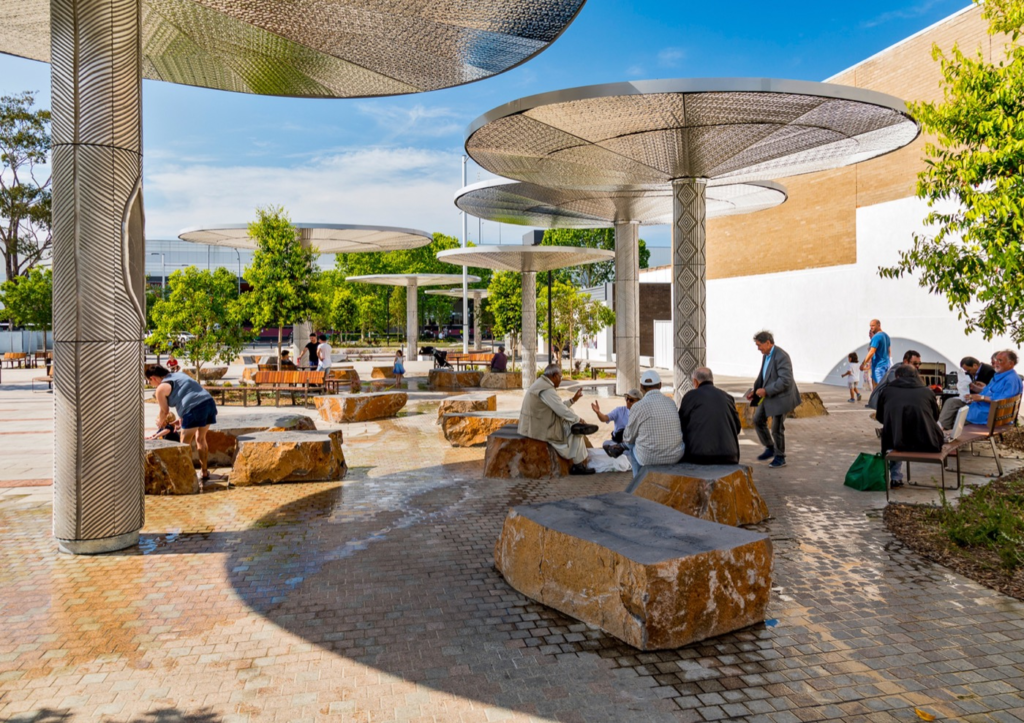
The heart of Merrylands beats with communal and family values. Residents prize inclusiveness and multicultural understanding, yet many navigate cultural integration or generational tension. The community places high importance on safety, affordable housing, and access to quality education and childcare. While church attendance and public religiosity may not be as robust as in some areas, spiritual tradition, faith, and family honour continue to shape private and cultural life. New migrants, single-parent families, and the elderly especially depend on reliable community services for support and connection.
At a deeper level, Merrylands’ people long for acceptance, belonging, and hope for a better future, desiring security amidst the uncertainties of a rapidly urbanising environment.
Fears
The heart of Merrylands beats with communal and family values. Residents prize inclusiveness and multicultural understanding, yet many navigate cultural integration or generational tension. The community places high importance on safety, affordable housing, and access to quality education and childcare. While church attendance and public religiosity may not be as robust as in some areas, spiritual tradition, faith, and family honour continue to shape private and cultural life. New migrants, single-parent families, and the elderly especially depend on reliable community services for support and connection.
At a deeper level, Merrylands’ people long for acceptance, belonging, and hope for a better future, desiring security amidst the uncertainties of a rapidly urbanising environment.
Finance and Financial Situation
The median annual household income in Merrylands is approximately $76,440 with the median personal income is approximately $31,564.1 This figure reflects the mix of dual- income families and multi-generational households typical of the area.
Residents face significant financial pressure, reflected in median weekly rent costs of $400 and mortgage repayments averaging $2,100 per month. While some households enjoy financial stability, a notable proportion face rental or mortgage stress, with nearly 42% of renters paying more than 30% of household income on rent. This economic diversity underscores a community where many families must carefully manage resources, balancing aspirations for betterment with immediate needs, and are vulnerable to rising living costs or unexpected setbacks. These financial realities make practical support ministries and a gospel of hope particularly relevant for the local context.
Education
The education profile of Merrylands reveals a community with a diverse range of educational attainment. About 22% of residents aged 15 and over hold a Bachelor degree or higher, and another 9% have an Advanced Diploma or Diploma. Nearly 20% list Year 12 as their highest level of education, while 7% hold a Certificate III and 9% have completed Year 10. There is also a sizeable portion about 8.6% with Year 9 or below as their highest educational level, and 4.4% report no formal educational attainment. Vocational pathways, including TAFE and private training, are well represented (9.2%).
2 These figures suggest a suburb where aspirations for educational advancement are strong, but significant variation remains, highlighting the need for ministries that support lifelong learning, employment, and intergenerational opportunity in the context of the gospel.
Common sin issues and struggles
Sin and struggle in this context often reflect the suburb’s unique challenges. Materialism and status anxiety can become powerful temptations, as people strive to define themselves by outward appearances or possessions. Family fractures emerge in the pressures of urban living, with intergenerational conflict, loneliness, and social isolation as ongoing realities. In some cases, these pressures manifest as addiction, whether to gambling, substances, or other means of coping common in urban Australia.
The Arabic Community of Merrylands
Merrylands is home to a substantial Arabic-speaking community, representing almost 30% of the local population, with Lebanese heritage being particularly significant. This community is marked by strong family-centred values, with major decisions often made collectively and homes frequently shared across multiple generations or extended relatives. Honour and shame deeply shape expectations, making parental approval crucial, especially regarding significant milestones. Table fellowship, expressed through generous hospitality, food, and open homes, is a central aspect of life, contrasting with more private cultural norms elsewhere in Australia. Socialising is common in the evenings, reflecting the “night owl” tendency prevalent in Arabic cultures.
The needs within this community are distinct and often shaped by recent migration experiences. Many families have arrived from regions of conflict, making trauma-informed pastoral care and practical support vital. Protestant Christians are a minority and often find themselves in need of support for thoughtful engagement in interfaith dialogue, especially regarding distinctive beliefs such as the Trinity and the humanity and divinity of Christ. Additionally, some community members inherit misunderstandings about Christian sacraments, particularly the Lord’s Supper, through varying traditions like those in the Coptic church.
Churches serving in Merrylands must be sensitive to the particular dynamics of culture, tradition, and lived experience among Arabic-speaking residents, offering both biblically grounded teaching and relationally warm ministry that honours their heritage and deepest needs.
Looking for Hope
Merrylands, in many ways, can be defined by resilience and aspiration. Its residents value family loyalty, hard work, and educational achievement, drawing pride from both culture and faith. Underneath the surface, there is a strong drive toward community, belonging, and hope for a brighter tomorrow, making it fertile ground for a gospel ministry that offers security in Christ, authentic community, and compassionate practical help to meet unspoken longings.
Outreach Opportunities
There are significant outreach opportunities for church planting ministry in the central public spaces and institutions near Merrylands. Western Sydney University’s nearby campuses offer access to a large, diverse, and spiritually open student body, with community engagement initiatives, chaplaincy programs, and interfaith dialogue providing open doors for campus ministry, mentoring, and hospitality-based outreach.
Merrylands Library serves as a central hub for families, youth, and adults who seek educational support, ESL help, and community activities. It is an ideal venue for tutoring, conversation groups, and relationship-based outreach events.
Public schools in the Merrylands area, especially Merrylands Public School, play a key role in community life. There are opportunities for support ministries such as breakfast clubs, school chaplaincy, after-school programs, and holiday activities that engage both children and their families, while supporting educational and social needs in a highly diverse setting.
Leisure spaces such as Merrylands Civic Centre and Holroyd Gardens Park are central gathering spots for families and friends, especially among the Arabic and multicultural communities. Community events, family days, and relational evangelism can make good use of these areas for inclusive, welcoming outreach. Such ministries resonate with local traditions of table fellowship, public hospitality, and communal life, building relationships of trust and gospel witness in non-threatening, accessible ways.
1 https://abs.gov.au/census/find-census-data/quickstats/2021/SAL12599
2 https://abs.gov.au/census/find-census-data/quickstats/2021/SAL12599
Have Any Questions?
We'd love to hear from you. Send us a message and we'll respond as soon as possible.